As someone who has worked as a freelancer on Upwork, I can understand the skepticism surrounding the platform. Not only can it be challenging to get on the platform with its strict requirements, but you also have to spend “Connects” (Upwork’s virtual tokens) to send proposals after a certain limit. On top of that, there’s always the risk of running into fake jobs or not getting paid if you don’t take the right steps.
So if you’re thinking about stepping into freelancing, it makes sense to be cautious about whether Upwork is a scam. The short answer to that is no, but there’s more to the story. Like any place where money is involved, there are risks. Let’s break down the common doubts freelancers have, what’s true and what isn’t, and how to stay safe while using it.
Is Upwork Itself a Scam?
No, Upwork isn’t a scam. It’s a legitimate freelancing platform that connects clients and freelancers from all over the world. Companies use it to find writers, designers, developers, marketers, and almost every kind of remote worker you can think of.
The platform makes money by charging freelancers a service fee on the payments they receive. You only get paid when you complete work, and Upwork releases the payment after the client approves it. So while landing your first job can be tough, the system itself is real and reliable.
I’ve been paid safely many times through Upwork. It takes effort to succeed, but it’s not a scam. However, I do understand why people feel that way, especially because certain parts of the platform can be frustrating or discouraging.
Why People Think Upwork Is a Scam
I’ve seen a lot of people call Upwork a “scam,” and there are three main reasons for this:
The High Service Fees
When you finally land a job and see your payment coming in, it feels great—until you notice the service fee. Upwork’s latest service fees charges up to 15% from your earnings, and if you’ve worked hard for that money, seeing a chunk taken away can be frustrating.
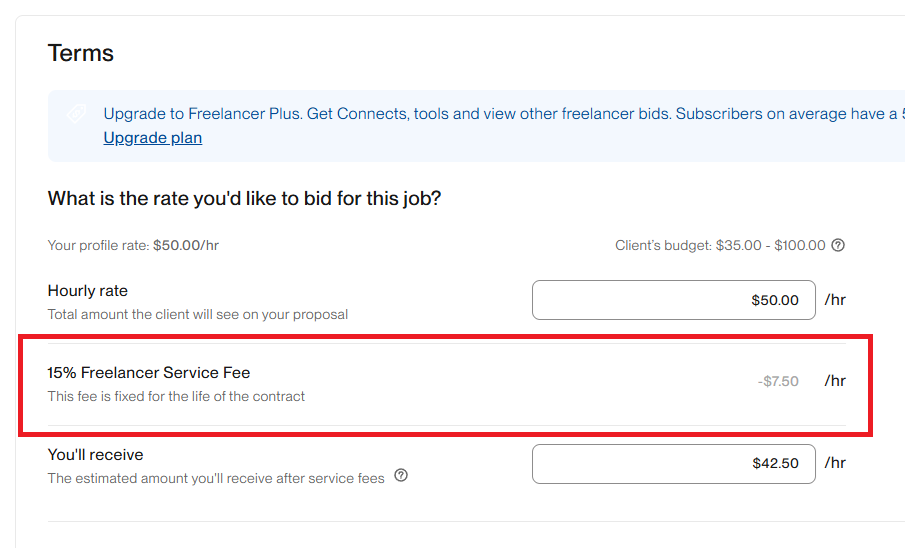
It can feel like the platform is taking a slice of your hard-earned income, especially when you’re just starting out and every dollar counts. While it’s a standard business model (many marketplaces charge fees), it still stings.
The Use of Connects
Then there’s the issue of Connects. These are tokens you need to submit proposals for jobs. A free account gives you only 10 Connects per month, and each job can cost anywhere from 7 to 25 Connects to apply.
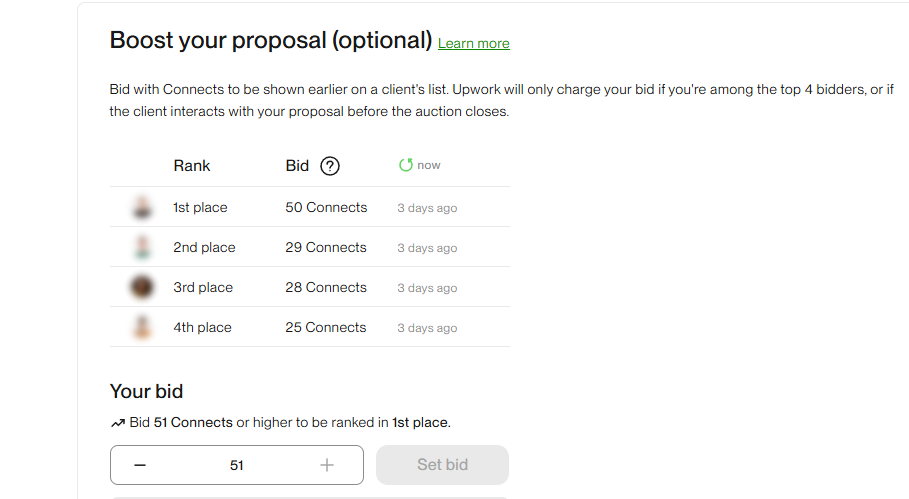
On top of that, freelancers can use extra Connects to boost their bids and appear at the top of the client’s list. This means competition can get intense—and if you run out of Connects, you’ll need to buy more.
However, even if you do spend a lot on Connects and send out dozens of proposals, there’s no guarantee you’ll get hired. Sometimes, you get completely ghosted. I’ve been there myself, and the worst part is that you don’t get your Connects back. This can make it feel like you’re throwing money away.
Fake Clients and Fake Earnings
One of the biggest complaints I hear is about fake clients and fake job listings. Some listings are posted with no real intention to hire. You spend your Connects applying, but nothing ever happens.
Even worse is when you actually get hired, do the work, and then get ghosted when it’s time for payment. This is every freelancer’s nightmare: putting in time and effort only to walk away with nothing. It’s not common if you’re careful, but it does happen. And it’s usually why people call Upwork a scam.
To put it simply, while Upwork isn’t a scam, the competition can be ruthless, and the risks are real if you’re not cautious.
Common Scams on Upwork Freelancers Should Avoid
While the platform itself is legitimate, scammers sometimes slip through. Here are the most common scams I’ve seen and read about, as well as how to spot them:
- Asking you to work for free. Some fake clients ask for “sample” projects that you develop for them and then disappear. If it’s more than a small test, avoid it.
- Trying to pay outside of Upwork. If a client wants to send money through PayPal or Wise, it’s usually a red flag. Payments outside the platform aren’t protected, and you could get scammed.
- Putting only a tiny deposit in escrow. If your payment is supposed to be $100 but the client only puts $5 in escrow and promises to add more later, don’t start work. This is a common trick.
- Asking for personal or financial details. Real clients don’t need your ID, bank info, or passwords. Keep your personal information private.
There are other types of Upwork scams to look out for, such as offering to pay you money to use your Upwork account or requesting you buy items for the work first, then pay you back later, and you end up being ghosted. Upwork does try to remove scammers quickly, and you can report these as well, but it helps to know what to watch out for.
How to Stay Safe on Upwork
Over time, I’ve learned a few simple steps that can save you a lot of trouble:
- Spend your Connects wisely. Only bid on jobs with detailed descriptions and requirements that truly match your skills, paired with realistic budgets and verified clients.
- Check the client’s profile. Look at their ratings, reviews, and how much they’ve spent. Reliable clients usually have verified payment and a history on the platform.
- Keep all communication and payments on Upwork. This is the easiest way to stay protected. If a client insists on going off-site, walk away.
- Use contracts and milestones. Make sure the full payment is funded in escrow before you start. If it’s not in escrow, Upwork can’t help you if things go wrong.
- Trust your gut. If something feels off, such as the client rushing, offering too much money for too little work, or being secretive, don’t ignore that feeling.
- Make a report. Don’t forget to report any suspicious activities to Upwork to help keep the platform secure for you and every user on the platform.
These steps might sound basic, but this is how I ensure I don’t waste too many Connects and get paying clients.
Learn how to land your first job on Upwork here.
Should You Still Sign Up for Upwork?
If you’re just starting out as a freelancer, Upwork can be worth trying. It gives you access to clients from all over the world, which is hard to get on your own.
However, there’s also no denying that it’s not easy, especially in the beginning. It can take weeks to get your first job, and you’ll likely face a lot of rejection. But if you stay consistent, improve your profile, and keep applying, you can slowly build a steady stream of work.
If you go in with realistic expectations, knowing it takes effort, patience, and some upfront costs, you might find it’s a great way to start your freelancing career.
Not A Scam, But Always A Risk
Upwork isn’t a scam, but it’s also not a shortcut to quick money. Like any freelancing platform, it has its challenges and risks. As long as you understand how it works, watch out for scams, and protect yourself, it can be a powerful tool to grow your freelance career.
If you’re ready to put in the effort, give it a try. You might be surprised by the opportunities it can open up.
FAQ
How to identify fake clients on Upwork?
Watch out for clients with no verified payment method, no history, or vague job descriptions. Be cautious if they ask you to work for free, make rushed decisions, or want to pay outside the platform.
Can we trust Upwork?
Yes, as long as you take the right steps to protect yourself. Upwork has systems to protect freelancers and clients, including secure payments, contracts, and dispute resolution. It’s been around for years and is widely used worldwide.
Is my money safe in Upwork?
Yes. When you accept a contract, the client’s payment is held in escrow. This means the money is reserved for you and released only after the client approves your work. Just ensure the client puts in the full amount to ensure you receive your payment should the client ghost you.

Michelle J. Brohier
Michelle J. Brohier is a freelance content strategist specializing in SEO-driven articles that help businesses grow their visibility and reach. As a long time editor and writer in the digital space, she understands the nuances and challenges of SEO content and aims to bring clarity for those in need.
- Michelle J. Brohier#molongui-disabled-link